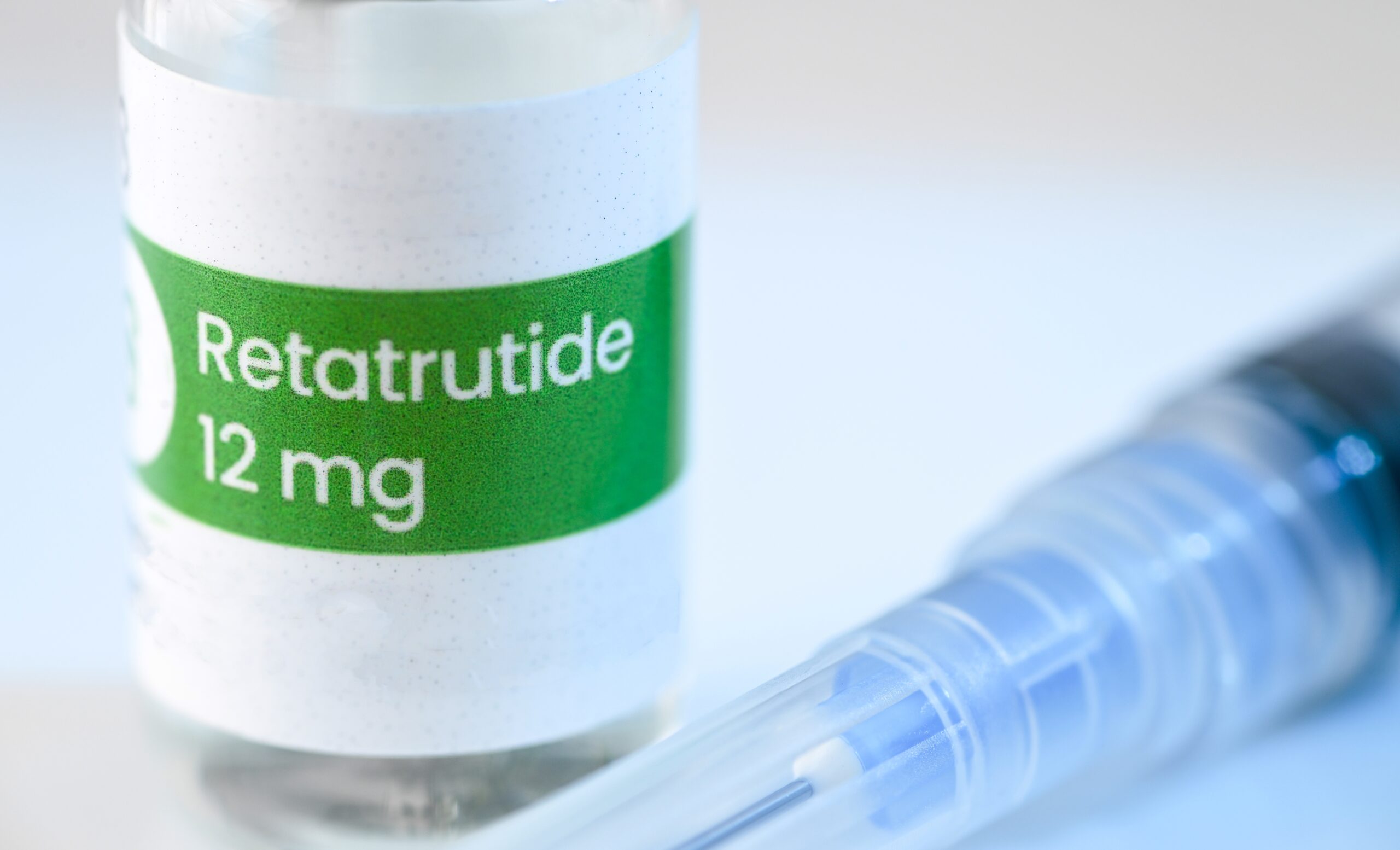
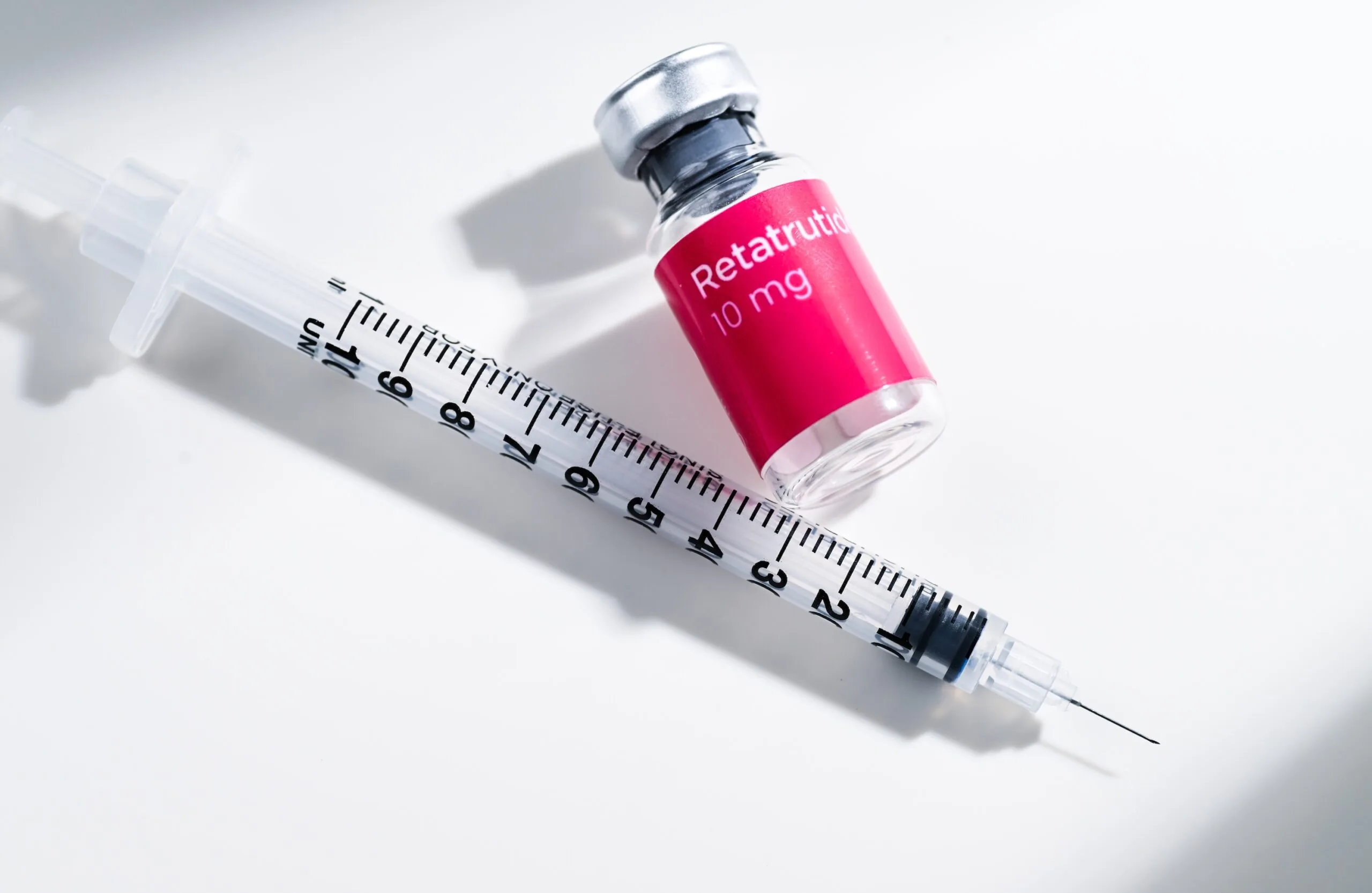
Their temperature-controlled shipping solutions help prevent contamination and maintain peptide integrity, ensuring that researchers receive high-quality materials
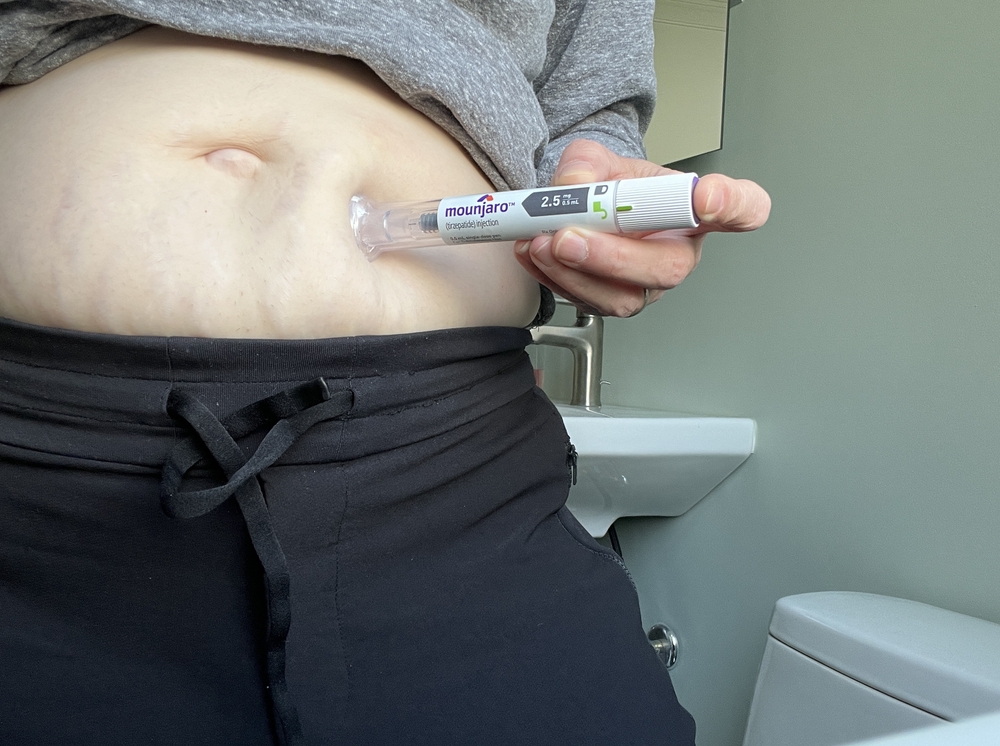
GLP-1 medications stimulate the pancreas to release more insulin, which helps decrease blood glucose
These patches aim to administer medication through the skin rather than via injection, which is how most GLP-1 medications like semaglutide are currently prescribed by licensed healthcare providers
The lawsuits allege that taking these drugs has caused serious complications, including gastroparesis

For these applications: Reconstitute in sterile water or PBS Use immediately (within 46 hours) Prepare fresh solutions for each experiment For Mass Spectrometry or Analytical HPLC: Reconstitute in sterile water or a compatible organic solvent (e.g., acetonitrile, methanol) Avoid PBS (salt interferes with MS ionisation) Avoid BAC water (benzyl alcohol may appear as an artifact in chromatograms) For Animal Research (if applicable): Consult institutional veterinary protocols Some protocols require sterile water or PBS specifically Document the rationale for solvent choice in your IACUC or ethics application For Long-Term Studies: If a study requires peptide administration over multiple days: Reconstitute in BAC water and store at 28 C Verify stability by HPLC at the beginning and end of the study Consider aliquoting into single-day vials to minimise contamination risk Storage of Unused Solvent: BAC water: Store at room temperature (1530 C), protected from light

The Difference Between a Moderate -Calorie Deficit and Aggressive Cuts Aggressive cuts (or deeply slashing your calories) will show rapid results, but once you return to your normal eating, the lost weight may bounce back